
Nature vs the Urban Jungle
Death of a SalesmanThe theme of the conflict between the natural world, representing freedom and authenticity, and the urban environment, representing confinement and false values.
increasing Bearing strength in each event
 decreasing
Bearing strength in each eventdecreasingThe Lost Pastoral
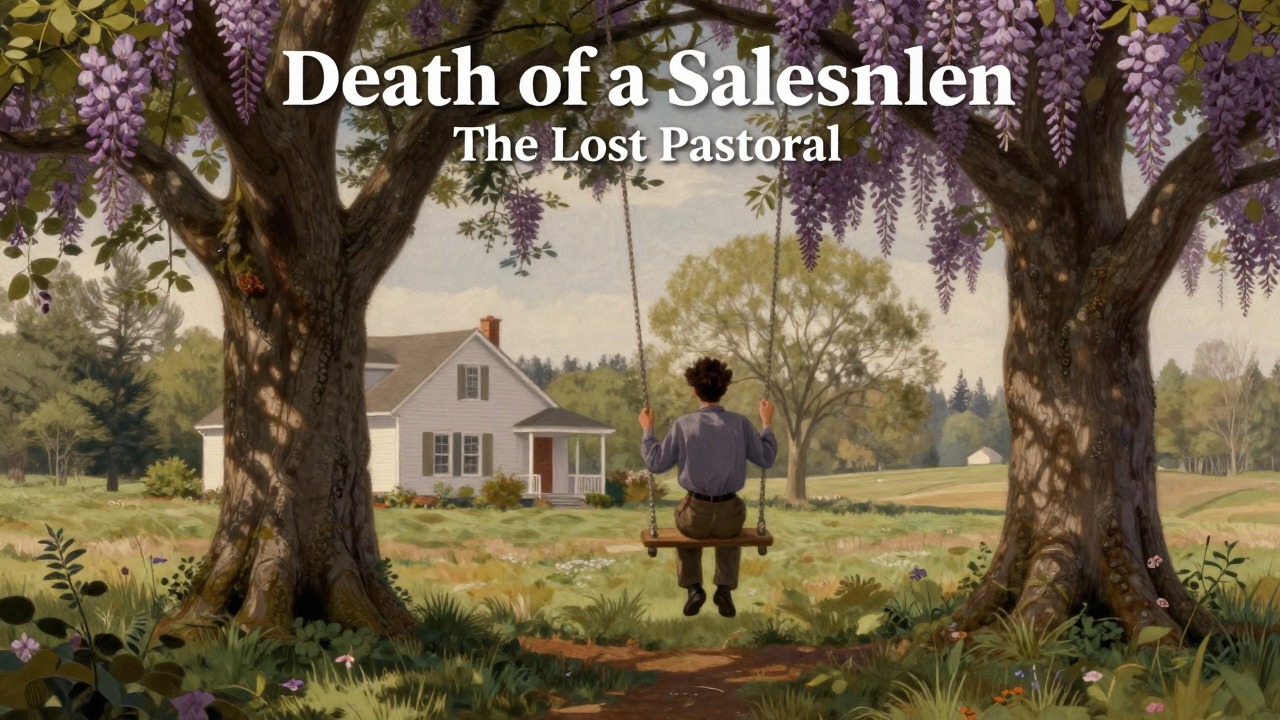
The Memory of Trees
The Open Country
Willy remembers when the house was surrounded by open country, with elm trees, lilac, and wisteria. The natural world was a source of beauty and peace.
The Swing Between the Elms
Willy recalls hanging a swing between the elm trees for Biff. The image is one of harmony and joy. The past is a lost Eden.
The Contrast with the Present
Now, the trees are dead, the apartment buildings block the sun, and the grass does not grow. The loss of nature mirrors the loss of hope.
The City as a Trap
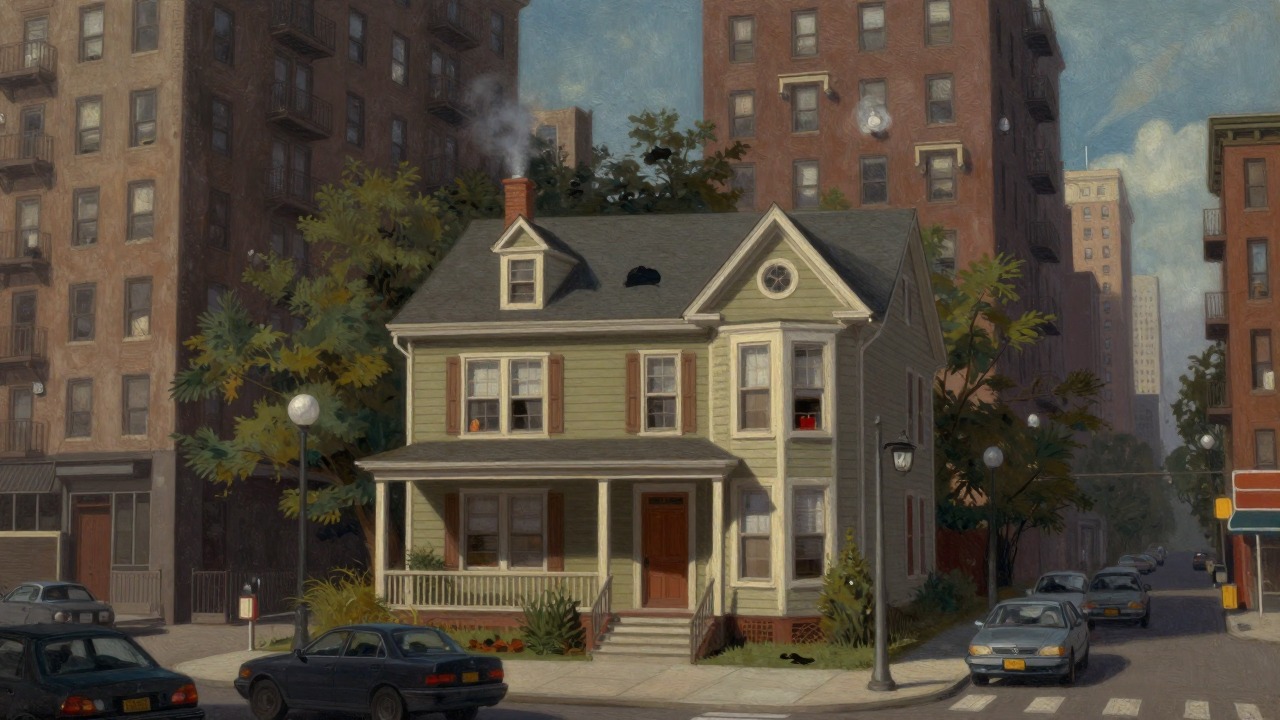
The Concrete Jungle
The Encirclement
The Loman house is surrounded by apartment towers. The set design emphasizes the oppressive urban environment. Willy feels boxed in, suffocated.
The Stink and Noise
Willy complains about the smell from the apartment house and the cars lining the street. The city is a place of pollution and competition. It is a jungle of a different kind.
The Desire to Escape
Willy dreams of a little place in the country where he can raise vegetables. Biff dreams of the open West. The play suggests that the city is a place of death, not life.
The Natural Alternative
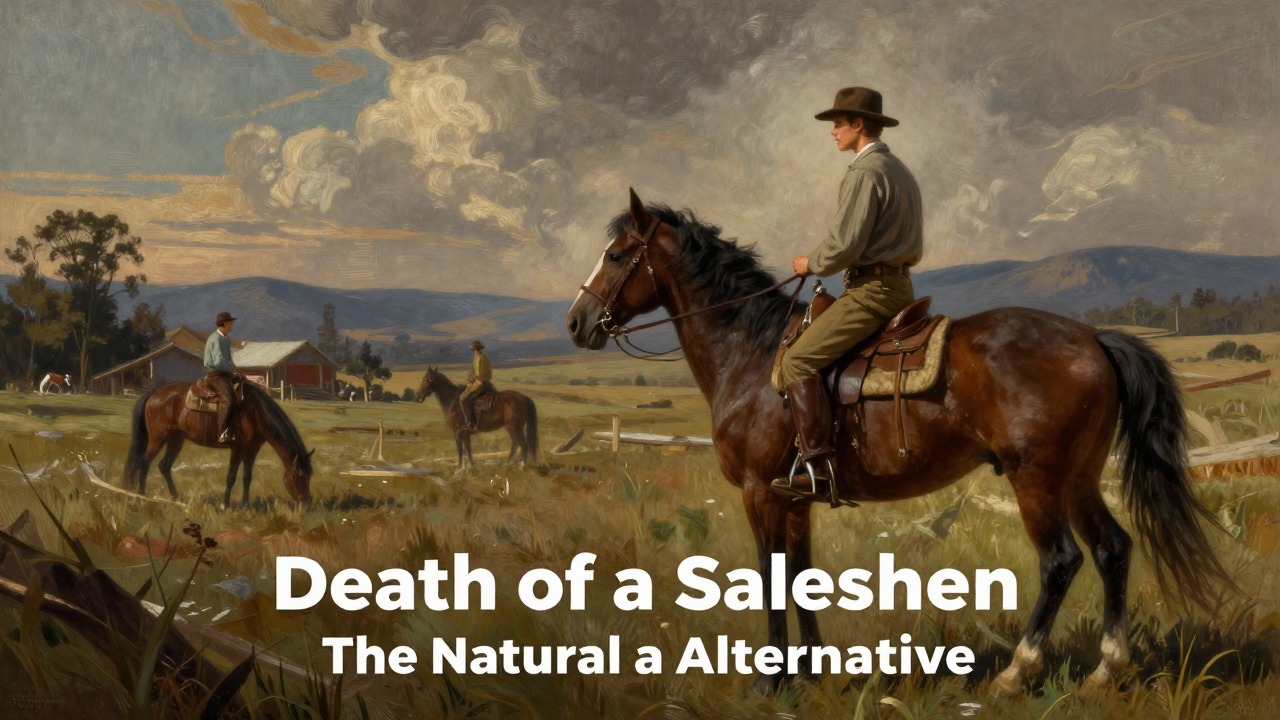
The Call of the West
Biff's Love for the Outdoors
Biff finds peace working with horses, in the open air. He is drawn to the freedom of the West. The natural world represents authenticity and self-fulfillment.
The Rejection of the City
Biff rejects the corporate world and its false values. He chooses a life of manual labor and honesty. The natural world is his salvation.
The Ambiguous Hope
Biff's choice is hopeful but not without risk. The West may not be a perfect solution, but it is a genuine alternative to the urban trap. The play leaves the future open.
Willy's memories
Present day
Biff's choice
